Best Sellers
Top-rated hanfu chosen by cultural performance groups worldwide.
🔥 Best Seller
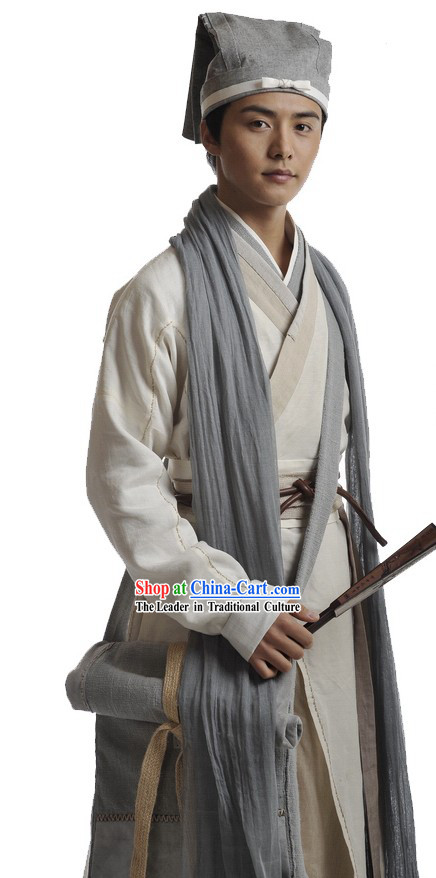

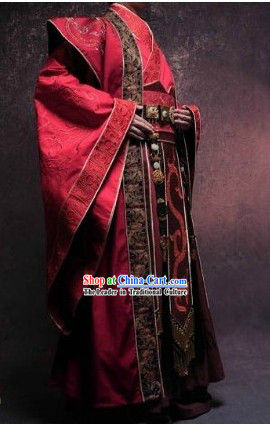


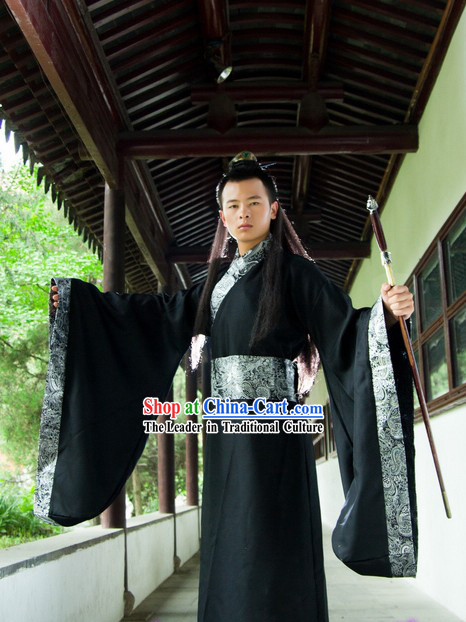

Handcrafted traditional Han Chinese clothing for cultural performances, festivals, weddings, and stage shows. Trusted by museums, universities, and dance troupes worldwide since 2003.
Explore Full Hanfu CollectionWide flowing sleeves, high waistlines, and vibrant colors from China's golden age.
View CollectionSlender, elegant silhouettes with narrow sleeves and refined layering.
View CollectionStructured robes with standing collars, wide sleeves, and elaborate embroidery.
View CollectionTraditional red wedding robes, phoenix coronets, and complete bridal sets.
View CollectionLightweight, reinforced stitching with flowing sleeves for classical Chinese dance.
View CollectionScholarly robes, round-collar robes, and formal court attire for men.
View Collection
Handmade by master tailors since 2003. Not mass-produced.
Custom colors, sizes, embroidery designs at no extra charge.
DHL/FedEx/UPS to 200+ countries with tracking and insurance.
Discounts for 5+ items. Custom quotes for schools and organizations.
Full refund or free remake if not satisfied. No questions asked.
We send photos before shipment for your approval.
| Feature | Tang Dynasty (618-907) | Song Dynasty (960-1279) | Ming Dynasty (1368-1644) |
|---|---|---|---|
| Silhouette | Wide, flowing, high waistline | Slender, elongated, narrow waist | Structured, broad shoulders, A-line |
| Sleeve Style | Extra-wide butterfly sleeves | Narrow, tapered sleeves | Wide but structured horse-hoof sleeves |
| Colors | Bold reds, yellows, greens | Soft pastels, muted tones | Rich jewel tones, gold accents |
| Neckline | Round or cross-collar | Low cross-collar (ruqun) | Standing collar (mandarin) |
| Best Occasions | Stage, festivals, cosplay | Daily cultural events, tea ceremonies | Weddings, formal ceremonies, theater |
| Fabric | Silk gauze, chiffon | Lightweight silk, cotton | Heavy silk brocade, damask |
| Price Range | $120 - $250 | $100 - $200 | $180 - $400 |
Hanfu (汉服) is the traditional clothing of the Han Chinese people, with a documented history spanning over 4,000 years from the legendary Yellow Emperor to the present day. Characterized by its cross-collar (交领 jiāo lǐng), wrapping front (右衽 yòu rèn), and flowing wide sleeves, hanfu represents one of the oldest continuous clothing traditions in human civilization. The term "hanfu" literally means "clothing of the Han," distinguishing the attire of China's majority ethnic group from the clothing of other Chinese ethnic minorities and from later Manchu-influenced garments like the qipao.
Unlike Western clothing that emphasizes body-fitting tailoring, hanfu drapes loosely over the body, creating an elegant silhouette that emphasizes grace and natural beauty. The garments are secured with sashes (带 dài) rather than buttons, and layered combinations of inner and outer robes create depth and visual richness. This construction makes hanfu exceptionally comfortable and suitable for a wide range of body types.
The origins of hanfu trace back to the Shang Dynasty (c. 1600-1046 BCE), where archaeological evidence shows early forms of cross-collared garments made from hemp and silk. During the Zhou Dynasty (1046-256 BCE), hanfu became formalized as part of the ritual system, with specific colors, patterns, and styles designated for different social classes and occasions. The concept of "ritual dress" (礼服 lǐ fú) was established, connecting clothing directly to Confucian values of propriety and social harmony.
The Qin Dynasty (221-206 BCE) standardized clothing across the unified empire, establishing the deep robe (深衣 shēn yī) as a foundational garment. This wrapped garment influenced all subsequent hanfu development and remains one of the most recognizable forms today. The Han Dynasty (206 BCE-220 CE) that followed gave the clothing tradition its lasting name and elevated silk weaving to unprecedented artistic heights.
The Tang Dynasty (618-907 CE) represents the golden age of hanfu. China's cosmopolitan capital of Chang'an attracted traders and diplomats from across Asia, and the clothing of this era reflects this cultural openness. Women's hanfu featured extraordinarily wide sleeves, high waistlines secured under the bust, and bold color combinations. The iconic qixiong ruqun (chest-high skirt) became the defining image of Tang fashion. This is the most popular dynasty style for cultural performances and stage costumes due to its dramatic visual impact.
The Song Dynasty (960-1279 CE) shifted toward a more restrained and scholarly aesthetic. Influenced by Neo-Confucian philosophy, Song hanfu features narrower sleeves, more subdued colors, and elegant layering. The slender silhouette and refined details make Song style ideal for tea ceremonies, literary events, and occasions requiring understated elegance.
The Ming Dynasty (1368-1644 CE) saw a return to Han Chinese rule after nearly a century of Mongol-led Yuan Dynasty. Ming hanfu is characterized by its structured form, standing collars, wide but shaped sleeves (often ending in horse-hoof cuffs), and elaborate embroidery featuring dragons, phoenixes, and auspicious symbols. Ming style is the preferred choice for traditional Chinese weddings and formal ceremonies due to its regal appearance.
Modern hanfu serves two distinct purposes: cultural performance and daily wear. Performance hanfu is specifically engineered for stage and festival use. These garments feature reinforced stitching at stress points, slightly heavier silk or brocade fabrics that photograph and video well under stage lighting, and extra-wide sleeves designed to create dramatic flowing movements during Chinese classical dance. The colors tend to be more saturated and the embroidery more elaborate to be visible from audience distances.
Daily wear hanfu prioritizes comfort and practicality. These versions use lighter fabrics such as cotton-linen blends or lightweight chiffon, simpler embroidery, and more manageable sleeve widths. Many daily hanfu enthusiasts appreciate the breathability of natural fabrics and the relaxed fit for everyday activities. The growing "hanfu everyday movement" has led to innovative modern adaptations that incorporate traditional hanfu elements into contemporary fashion.
For cultural performance groups, schools, and dance troupes, performance-grade hanfu from China-Cart.com is designed to withstand the rigors of repeated stage use while maintaining its beautiful appearance. Each garment is inspected for quality before shipping, and production photos are sent for approval to ensure every detail meets expectations.
The choice of material significantly affects the appearance, comfort, and appropriate use of hanfu. Mulberry silk (桑蚕丝) is the gold standard — it has a natural luster, breathes well, and drapes beautifully. Silk hanfu is ideal for formal occasions and performances where visual impact is paramount.
Brocade (织锦 zhī jǐn) is a heavier, richer fabric with woven patterns (often metallic threads creating dragon or floral designs). Brocade hanfu is the most formal and is commonly used for wedding attire, Ming dynasty court costumes, and ceremonial garments. The weight and stiffness of brocade create impressive silhouettes on stage.
Satin (缎 duàn) offers a smooth, glossy surface with moderate weight. It is an excellent choice for Tang dynasty style hanfu where the fabric's sheen enhances the flowing quality of wide sleeves. Satin is also more affordable than pure silk brocade while maintaining a luxurious appearance.
Cotton and linen blends are preferred for daily wear, children's hanfu, and summer events. These natural fibers are breathable, easy to care for, and become softer with each wash. Modern cotton-linen hanfu often features printed patterns that mimic traditional embroidery at a lower price point.
Chiffon (雪纺 xuě fǎng) is a lightweight, sheer fabric used for layered outer garments and dance performance hanfu. Its ethereal quality creates beautiful movement during dance routines and is particularly popular for Song dynasty style layered looks.
Choosing hanfu depends on four key factors: occasion, dynasty style, material preference, and budget. For cultural performances and stage shows, Tang dynasty hanfu in silk or brocade offers the most dramatic visual impact. For weddings, Ming dynasty red brocade sets with phoenix coronets create unforgettable ceremonies. For daily cultural events, Song style cotton-linen hanfu provides comfort and understated elegance.
Consider your performance environment: outdoor festivals benefit from lighter fabrics that breathe, while indoor stage performances can use heavier brocades that photograph beautifully under professional lighting. Dance performances require garments with reinforced seams and sleeves that flow naturally with movement.
Hanfu is designed to drape loosely, which means sizing is generally more forgiving than fitted Western clothing. Most women's hanfu is available in sizes S through XXL, corresponding to bust measurements of 80-110 cm. Men's hanfu typically ranges from S to XXL with chest measurements of 88-120 cm. For the best fit,.
The hanfu revival movement (汉服运动) began in the early 2000s when young Chinese people started wearing traditional hanfu in public as a form of cultural expression. What started as a small internet community has grown into a global phenomenon with millions of participants. Major Chinese cities now host annual hanfu festivals, and it is common to see people wearing hanfu in parks, at temples, and during traditional holidays.
The movement has spread internationally, with hanfu enthusiast groups in the United States, Europe, Southeast Asia, and Australia. Cultural organizations, Chinese language schools, and university associations frequently order hanfu for performances, celebrations of Chinese New Year, and mid-autumn festival events. China-Cart.com has been a key supplier for this global community since 2003, providing authentic, handcrafted hanfu to enthusiasts and organizations in over 200 countries.
Custom dynasty style, embroidery, colors, and sizing available. Our master tailors respond within 24 hours.
Get Custom Hanfu QuoteThe Hanfu revival is a global movement. From university clubs in Beijing to cultural festivals in New York, people are rediscovering the beauty of traditional Chinese dress. Join a community that spans cultures and centuries.
Join thousands of cultural enthusiasts who have made these traditions part of their lives.
Explore Hanfu Styles